 Skip to content

Roofs in Wisconsin and Minnesota take constant punishment. Last week’s windstorm, yesterday’s downpour, and ice dams from harsh winters. This damage accumulates gradually until suddenly you’re dealing with leaks, missing shingles, or worse.
The key to preventing major problems is catching issues early, and that means knowing how to spot wind or water damage on your roof before it becomes a crisis.
Most homeowners don’t think about their roof until something goes obviously wrong. Learning to recognize the warning signs helps you address problems while they’re still manageable.
Visual Signs of Roof Wind Damage
Wind issues don’t always announce themselves with dramatic missing shingle sections. Often, the evidence is subtle but still significant.
Shingle Problems to Watch For
- Curled or lifted shingle edges that expose the underlayment
- Missing shingles or sections where granules have worn away
- Cracked or broken shingles in specific patterns
- Shingles with creases or folds that weren’t there before
- Torn or damaged flashing around chimneys and vents
After strong windstorms, walk around your property and look at your roof from ground level. Check all four sides since wind damage often concentrates on particular exposures. Look for shingles that appear different from their neighbors. Darker spots often indicate missing granules or exposure to moisture.
Wind also deposits branches, leaves, and debris that cause secondary problems. Branches rubbing against shingles wear away protective granules, while debris in roof valleys traps moisture and accelerates deterioration.
Water Damage Indicators
Water damage on your roof often starts small and hidden, making it trickier to spot than wind deterioration. However, several signs reveal when moisture has compromised your roofing system.
Interior Warning Signs
- Water stains on ceilings or walls, especially after rain
- Discolored or peeling paint near the roofline
- Musty odors in your attic or upper floors
- Visible mold or mildew in attic spaces
- Damp insulation or water-stained wood
Check your attic after rainstorms. Look for light coming through the roof boards, which indicates gaps where water can enter. Feel insulation near the roof deck; damp insulation means water is getting through somewhere.
Exterior Water Damage Signs
- Dark streaks or staining on shingles
- Algae or moss growth, particularly on north-facing slopes
- Sagging areas that indicate trapped moisture and deterioration
- Clogged gutters causing water to back up under shingles
- Ice dams during winter that force water under roofing materials
In our climate, ice dams are particularly concerning since they force water backward under shingles, where it freezes, thaws, and causes progressive problems.
Regional Weather Challenges
Western Wisconsin and Minnesota weather create specific roof failure patterns that homeowners should monitor closely.
Ice Dam Damage
Harsh winters make ice dams a persistent threat. When attic heat melts roof snow, water runs down and refreezes at the eaves, creating ice buildup that forces water back under shingles. Look for icicles hanging from gutters—they signal potential ice dam formation.
Freeze-Thaw Cycles
Temperature fluctuations cause expansion and contraction in roofing materials. Small cracks or gaps widen with each cycle, allowing more water penetration. Minor issues from fall can become serious problems by spring.
Severe Storm Impact
Summer and fall bring severe thunderstorms with high winds, hail, and heavy rain that can damage roofs quickly. After severe weather, inspect your roof for new issues, even if everything looked fine before the storm.
Checking Flashing and Seals
Flashing around chimneys, vents, skylights, and roof valleys represents your roof’s most vulnerable points. These areas see frequent problems that lead to leaks.
What to Look For
- Rust or corrosion on metal flashing
- Gaps between flashing and roof or wall surfaces
- Cracked or dried-out sealant around penetrations
- Loose or bent flashing sections
- Missing sections of flashing after storms
Many roof leaks originate at flashing failures rather than shingle damage. Pay special attention to areas where your roof meets vertical surfaces or changes direction.
Granule Loss Assessment
Asphalt shingles rely on protective granules for durability and weather resistance. As shingles age or sustain wear, they lose these granules.
Check gutters and downspouts for excessive granule accumulation. Some granule loss is normal, especially on new roofs, but significant amounts indicate accelerated wear. Shingles with large bare spots have lost their protection and need replacement.
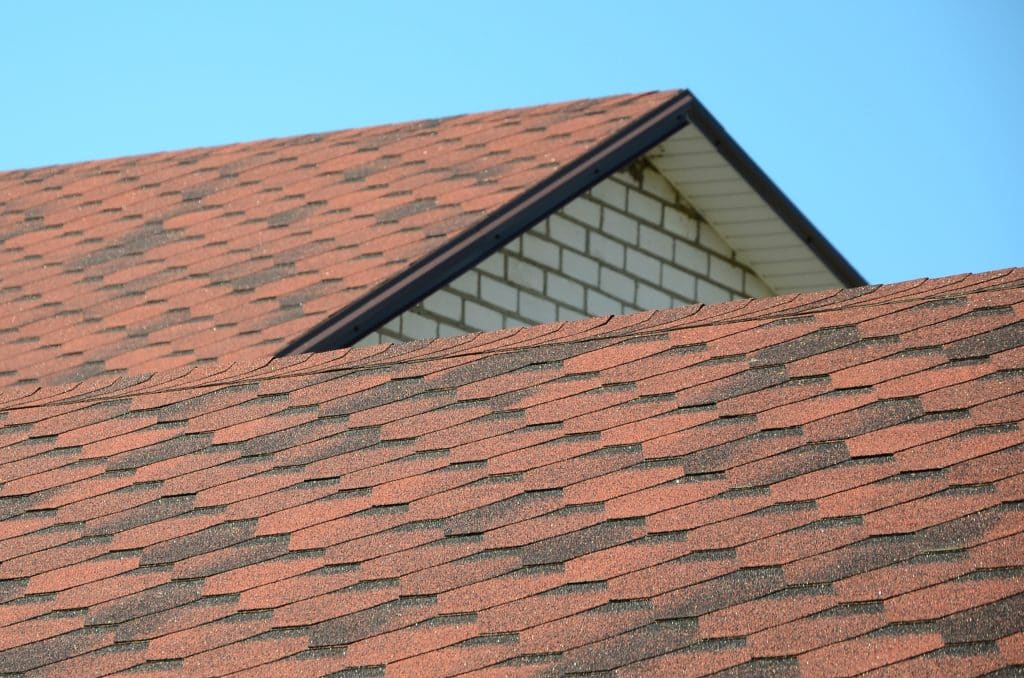
Look at your roof from a distance. Uneven coloration or blotchy patterns often indicate areas where granule loss has exposed the underlying asphalt layer.
When to Call Roofing Professionals
Some roof inspections require professional expertise and equipment. Climbing on your roof involves safety risks, and walking on damaged roofing can cause additional harm.
Professional Inspection Situations
- After severe storms with high winds or hail
- When you notice interior water stains
- If your roof is more than 15 years old
- Before buying or selling a property
- When you see issues but can’t assess their extent
Professional roofers have the training and equipment to safely access your roof and identify damage you might miss from ground level. They can also assess whether it requires immediate repair or full replacement.
Taking Action on Roof Failures
When you spot potential wind or water damage, document it with photos and notes about when you first noticed the problem. This documentation helps with insurance claims if problems are storm-related.
Don’t delay addressing obvious deterioration. Small leaks grow larger, wind-loosened shingles blow off completely, and water damage spreads through your roof deck and into your home’s structure. Quick response minimizes repair costs and prevents secondary issues.
Look After Your Property
Regular roof inspections, especially after severe weather, help you catch problems early when repairs are straightforward and affordable. Most experts recommend having your roof professionally inspected at least once annually, with additional checks after major storms.
Krumm Exteriors provides Wisconsin and Minnesota homeowners with expert roofing services that protect properties from our region’s challenging weather.
Talk to our experienced team about a thorough inspection today.

