


Wisconsin and Minnesota winters are brutal. Subzero temperatures. Ice storms. Freeze-thaw cycles that repeat dozens of times between December and March. Your home’s exterior materials face conditions that would make most materials want to quit.
Here’s what most homeowners don’t realize: cold weather doesn’t just test your roof and siding. It actively damages them. Materials that deal with mild seasons just fine start cracking, warping, and failing when temperatures drop. And if you understand how cold weather affects your home exterior materials, you can protect your investment before winter does its worst.
We’ve spent 27 years watching Wisconsin and Minnesota winters punish homes. We’ve seen what survives and what doesn’t. In this helpful guide, we’ll explain what’s happening to your roof, siding, gutters, and other exterior materials when the temperature drops.
Freeze-Thaw Cycles: The Slow-Motion Wrecker
The real villain in a Midwest winter isn’t the cold itself. It’s the freeze-thaw cycle.
How does it work? Water gets into tiny cracks in your roof shingles, siding, or concrete. When temperatures drop, that water freezes. Frozen water expands. A lot. That expansion puts pressure on the material surrounding it, widening cracks and causing stress fractures. Then the sun comes out, temperatures rise, and the ice melts. The pressure releases, but the damage is done.
This cycle repeats 30, 40, or sometimes 50 times a winter in Wisconsin and Minnesota. Each cycle makes the damage worse. Small cracks become big cracks. Stress fractures spread. Materials that seemed fine in the fall are compromised by spring.
Concrete driveways and foundations crack from freeze-thaw cycles. Asphalt shingles develop splits. Vinyl siding becomes brittle and cracks under stress. Even durable materials like steel can develop problems if water gets into seams and freezes.
Brittleness and Material Failure
Cold temperatures make materials brittle. Really brittle.
Vinyl siding loses its flexibility below 40 degrees. Below freezing? It becomes almost rigid. A panel that would normally bend slightly when struck becomes fragile and prone to cracking. High winds hit frozen vinyl siding, and it snaps instead of flexing.
Rubber roofing gets stiff in cold weather. The flexibility that makes it waterproof in summer disappears. Rubber that could seal small gaps and move with your roof becomes inelastic and prone to cracking.
Caulk and sealant harden in cold. They lose adhesion. Gaps open up where you thought you had a good seal. Those gaps are invitations for water to get behind your siding or into roof penetrations.
Even asphalt in your driveway becomes more brittle in extreme cold, which is why potholes suddenly appear in winter. The same thing happens with asphalt shingles on your roof.
Ice Dams: The Roofing Catastrophe
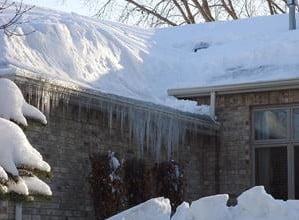
Ice dams form when snow melts on your roof and refreezes at the roof edge, where it’s colder. The dam grows as more water backs up behind it, creating a wall of ice that prevents proper drainage.
Here’s the dangerous part: water trapped behind an ice dam finds its way under your shingles. It seeps into your attic and soaks your insulation. It drips onto framing, walls, and ceilings. By the time you notice water damage inside, significant damage has already happened.
Ice dams are one of the most common and costly winter problems we see. And they’re directly connected to how cold weather affects your home exterior materials. Poor insulation lets heat escape to the roof, melting snow. Poor attic ventilation traps that warm air. Clogged gutters trap water that becomes dams.
The fix isn’t just removing the ice. It’s preventing the conditions that create ice dams in the first place.
Gutter Problems and Ice Buildup
Cold weather turns gutters into ice factories. Water in gutters freezes, creating heavy ice accumulation. That ice weighs your gutters down, pulling them away from the fascia.
When gutters are full of ice, they can’t drain properly. Spring snowmelt has nowhere to go. It backs up and runs toward your foundation. Then it seeps into your basement. It pools next to your walls, causing foundation problems.
Repeated freeze-thaw cycles can actually bend gutters and downspouts, particularly if they’re older or already stressed. Ice buildup puts pressure on gutter seams, creating leaks.
And another thing people don’t think about: clogged gutters freeze solid. You can’t clean them in winter. That clog stays there, blocking drainage, until the spring thaw comes. By then, damage might already be done.
Metal and Wood Expansion Issues
Different materials expand and contract at different rates when temperatures change. This mismatch creates problems.
Metal roofing expands when warm and contracts when cold. Repeated expansion and contraction can loosen fasteners, create gaps, and stress seams. Steel siding responds similarly. Joints that were tight in summer become loose in winter.
Wood and engineered wood products like LP SmartSide are especially vulnerable. Wood expands with moisture and contracts when dry. In winter, you get both: cold temperatures cause contraction, while moisture from ice and snow causes expansion. These opposing forces stress the material.
Joints separate. Paint cracks. Gaps open where panels meet trim or where different materials connect. Those gaps become pathways for water and pests.
What Fails First in Cold Weather
Different materials have different weak points:
- Vinyl siding becomes brittle and cracks under impact or wind. Joints separate as materials contract at different rates.
- Asphalt shingles lose flexibility and develop cracks. Granules become loose and wash away.
- Rubber roofing becomes inelastic and cracks under stress or movement.
- Wood and engineered wood products crack and split from freeze-thaw and moisture cycles.
- Caulk and sealants lose adhesion, creating air and water gaps.
- Gutters freeze, separate, and leak under ice weight.
All of these problems are accelerated in Wisconsin and Minnesota, where temperature swings are extreme and frequent.
Protecting Your Exterior This Winter
Understanding how cold weather affects your home exterior materials means you can take action before winter damage happens.
- Start with maintenance: clear gutters before the freeze hits. Inspect your roof, siding, and caulking before winter arrives. Make repairs now rather than dealing with damage in spring.
- Consider your materials: if you’re planning replacement work, choose materials rated for extreme cold. Metal roofing performs exceptionally in cold weather. Quality vinyl and seamless steel siding handle freeze-thaw cycles better than older materials.
- Improve insulation and ventilation: proper attic ventilation prevents ice dams. Good insulation reduces heat loss that melts snow on your roof.
- Keep water away: make sure your gutters drain away from your foundation. Proper drainage prevents most freeze-thaw damage.
Don’t Let Cold Weather Damage Your Investment
If you’re noticing damage from this winter or are concerned about how cold weather affects your home exterior materials, we can help. Whether you need roof repair, siding inspection, gutter maintenance, or complete replacement with cold-weather-rated materials, we have the expertise.
We’ve spent decades protecting Wisconsin and Minnesota homes through harsh winters. We know what works and what doesn’t in our climate.
Schedule your winter exterior inspection or call us today. Let’s make sure your home is ready for whatever the rest of winter throws at it.