 Skip to content

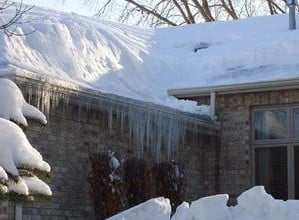
Ice dams look almost beautiful. Those thick ridges of ice along your roof edge, glittering in the sunlight. The icicles hanging from your gutters, catching the light like frozen chandeliers.
Don’t let the pretty exterior fool you. Ice dams are causing serious damage to your home right now. And here’s the problem: most of that damage happens where you can’t see it.
By the time water starts dripping from your ceiling, structural damage is already underway. Insulation is soaked. Wood is rotting. Mold is growing. You’re looking at thousands of dollars in repairs that could have been prevented if you’d understood what ice dams actually do.
Let’s talk about what’s happening behind your walls and inside your attic when those ice dams form.
How Ice Dams Form in the First Place
Before we get to the damage, let’s understand the mechanism. Ice dams happen when snow melts on your roof but refreezes at the edge, where it’s colder.
Here’s the sequence:
- Heat escapes from your attic through the roof (poor insulation is the culprit).
- This heat melts the snow sitting on the warm part of your roof.
- Water runs down toward the gutters and roof edge.
- The roof edge is colder than the rest of your roof because there’s no attic underneath.
- The water refreezes there, forming a dam, and more water backs up behind the dam, creating a pool of water sitting on your roof.
Now you’ve got a problem. Water trapped behind an ice dam has nowhere to go except under your shingles. And once water gets under your shingles, it’s going into your home.
The Hidden Damage Starts Immediately
The moment water gets under your shingles, it’s soaking your roof decking. If conditions are right, it’s dripping into your attic. It’s saturating your insulation. It’s running down your interior walls. And you might have no idea any of this is happening.
Water damage that happens during winter can stay hidden for months. The water freezes. It thaws. It refreezes again with each temperature cycle. All the while, it’s working on the wood structure of your home. Ice dams aren’t a one-day problem. They’re an ongoing assault on your home’s integrity for as long as they exist.
Specific Damage Ice Dams Cause
Roof Deck Deterioration
Your roof decking is the plywood or boards that sit under your shingles. When water from an ice dam soaks this material, it starts rotting. Wood rot weakens the structural support of your entire roof. Eventually, the decking loses its strength. Your roof might start to sag. Your roof structure becomes compromised.
Insulation Damage
Insulation only works if it’s dry. Water-saturated insulation loses its R-value entirely. Your attic insulation becomes useless at keeping heat in. Your heating bills skyrocket. But more importantly, wet insulation creates the perfect environment for mold.
Mold Growth
Moist, dark spaces are mold’s favorite place. Your attic becomes a mold factory. And here’s the scary part: mold spreads to wood framing, to wall cavities, to insulation. It’s not just a surface problem. It’s colonizing your home’s structure.
Interior Water Damage
Water from ice dams doesn’t stay in your attic. It seeps into walls. It drips down interior surfaces. You’ll see water stains on ceilings and walls. You might notice peeling paint or warped drywall. By then, water has already been in your walls for weeks or months.
Fascia and Soffit Damage
The fascia board and soffit (the parts that hold your gutters) take constant water exposure when ice dams are present. Paint peels. The wood rots. The metal rusts. These components start failing because they’re being constantly saturated.
Foundation and Basement Issues
When gutters overflow because of ice dams, water runs down the outside of your home. It pools next to your foundation. This can cause foundation cracks, basement seepage, and standing water in your basement. Once water is in your foundation or basement, you’re dealing with mold, structural issues, and expensive remediation.
The Real Cost of Ignoring Ice Dams
Here’s what we see all the time: a homeowner notices an ice dam. They think, “It’s winter. This is normal. It’ll melt in spring.” They ignore it.
Come spring, water damage is discovered in the attic. The roof decking is rotted. Insulation is destroyed. Mold remediation is needed. The roof might need replacement ahead of schedule. Suddenly, a $0 problem became a $15,000 problem.
This happens because ice dams aren’t just about the ice. They’re about the water damage happening simultaneously.
Prevention is Your Best Defense
You can’t eliminate ice dams entirely in our winters. But you can dramatically reduce their likelihood:
- Improve attic insulation so less heat escapes to melt snow
- Ensure proper attic ventilation to keep temperatures consistent
- Clean gutters before winter so water can drain
- Add heating cables to problem areas as a temporary measure
- Consider gutter guards so ice doesn’t dam up gutters
The best time to address these preventative measures is fall, before winter hits.
When Damage Has Already Happened
If you’re seeing signs of ice dam damage now, don’t wait. Water damage gets exponentially worse the longer it sits. Mold spreads. Wood rot advances. The cost of repairs increases every week you delay.
Our team at Krumm Exteriors understands how snow and ice dams cause hidden damage in Wisconsin homes. We’ve spent 27 years dealing with winter weather consequences. We can inspect your attic and roof, identify what’s already happened, and create a restoration plan.
Whether you need temporary repairs to prevent further damage or comprehensive restoration of ice dam damage, we’re here to help. And we’ll work with your insurance company to make sure you get the coverage you’re entitled to.
Don’t Let Hidden Damage Spread
If you’ve had ice dams this winter, or you’re noticing any signs of water damage or moisture in your attic, contact Krumm Exteriors or call us today. The sooner we assess the damage, the sooner we can stop it from getting worse.

