 Skip to content

Siding does two jobs at once. It protects your home from everything the Midwest throws at it, and it defines how your home looks from the street. Pick the wrong material and you’re dealing with maintenance headaches, premature wear, or a look that doesn’t hold up. Pick the right one and you won’t think about your siding again for decades.
Vinyl and fiber cement are the two most common choices homeowners compare. Both have real strengths. Here’s how they stack up against each other, and against the specific conditions Wisconsin and Minnesota homes face.
Quick Comparison: Vinyl vs Fiber Cement
- Best for budget: Vinyl
- Best for durability: Fiber cement
- Lowest maintenance: Vinyl
- Most natural look: Fiber cement
- Best for extreme weather: Fiber cement or steel
What Vinyl Siding Does Well
Modern vinyl siding has evolved into a durable, high-performance option, built for durability with minimal upkeep. Here is how it stacks up for Midwest homeowners:
- Enhanced Durability: Modern profiles are thicker and UV-resistant, preventing the fading and “tired” look common in older vinyl.
- Design Versatility: Available in various styles—including traditional lap and board-and-batten—offering custom looks without a premium price.
- Low Maintenance: It resists rot and moisture damage during freeze-thaw cycles, requiring only an occasional power wash rather than frequent painting.
- High Value: Vinyl provides an efficient installation and a clean finish, making it the most cost-effective choice for long-term weather resistance.
- Notable Limitations: It can become brittle and crack under impact in extreme cold and lacks the heavy, authentic texture of wood or masonry.
While it may lack the architectural “weight” of premium materials, vinyl remains the go-to solution for those seeking maximum value and minimal upkeep.
What Fiber Cement Siding Does Well
Fiber cement siding, often recognized by the James Hardie brand, offers a premium blend of durability and classic curb appeal. Here is why it is a top-tier choice for the local climate:
- Superior Composition: Made from a heavy-duty mix of cement, sand, and cellulose, it is engineered to resist fire, insects, moisture, and impact better than most alternatives.
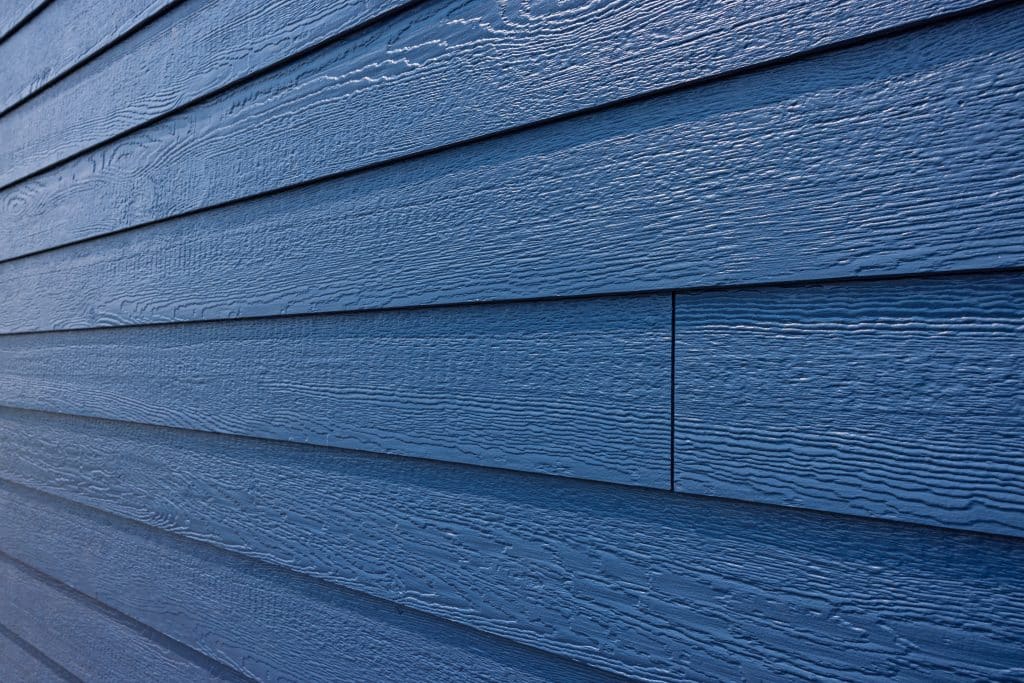
- Authentic Aesthetic: It convincingly replicates the look of traditional wood lap siding and holds paint significantly longer than natural timber.
- Climate Stability: Unlike vinyl, fiber cement maintains its structural integrity during extreme temperature swings, resisting the expansion and contraction typical of the St. Croix Valley.
- High Performance: Its rigidity and weight provide a premium feel and “visual weight” that enhances a home’s architectural value.
- Maintenance & Cost: It requires a higher initial investment and will need repainting every 10 to 15 years, particularly on elevations with heavy sun exposure.
For homeowners willing to invest in a more permanent, wood-like finish, fiber cement provides unmatched resilience against the relentless Midwest weather.
How Midwest Conditions Shape the Decision
Both materials perform well in the upper Midwest, but your home’s specific exposure matters. A riverfront property in Hudson, Wisconsin faces different conditions than a neighborhood home in the Twin Cities suburbs. Wind-driven rain, prolonged moisture exposure, and hail events all factor into which material makes sense for a given home.
Seamless steel siding is worth mentioning here too. For homeowners who want maximum durability against storms, moisture, and temperature extremes, steel outperforms both vinyl and fiber cement on toughness.
Krumm Exteriors is a US Seamless franchisee and installs seamless steel siding across Wisconsin and Minnesota, which means no vertical seams for water or insects to work into.
For homes where natural wood texture is the goal, LP SmartSide delivers that look with better impact resistance than traditional wood and better dimensional stability than fiber cement in wet conditions.
And for adding architectural character without the cost of masonry, Versetta Stone panels give you the depth and texture of stone in a lightweight panel system that installs cleanly.
Richard Bazille, a Krumm Exteriors customer who ended up with both a roof and siding replacement after what started as a small repair, said the crew, including Alex, JJ, and Ox, did a superb job. “Everyone we dealt with was very friendly, courteous, knowledgeable and professional.” That kind of outcome starts with getting the material recommendation right from the beginning.
Which Siding Should You Choose?
If low maintenance and value are your priorities, vinyl is a strong choice. If you want the look of painted wood siding with better durability and don’t mind occasional repainting, fiber cement earns its higher price. If your home faces serious weather exposure and you want the toughest option available, steel is worth a conversation.
Krumm Exteriors serves homes across Wisconsin and Minnesota from offices in New Richmond, Menomonie, and Stillwater. Free consultations help you match the right material to your home’s architecture, your budget, and the conditions your siding will actually face.
Siding FAQs
Is vinyl or fiber cement siding better for cold climates?
Both perform well in cold climates. Fiber cement has better structural rigidity in extreme cold and handles freeze-thaw cycles without the minor flexing that vinyl experiences. Vinyl, however, is less prone to moisture absorption, which reduces the risk of cracking from freeze-thaw in most residential applications.
How long does vinyl siding last in Wisconsin and Minnesota?
Quality vinyl siding typically lasts 30 to 40 years with minimal maintenance. Exposure, installation quality, and product grade all affect longevity.
Does fiber cement siding require painting?
Yes. Fiber cement must be painted and will need repainting every 10 to 15 years depending on sun and weather exposure. Many products come pre-primed or pre-finished from the factory, which extends the initial paint cycle.
What is seamless steel siding and how is it different?
Seamless steel siding is roll-formed on-site to the exact length of each wall, eliminating vertical seams. This reduces entry points for water and insects and improves overall durability compared to standard lap siding with overlapping joints.
Does Krumm Exteriors offer free siding estimates?
Yes. Krumm Exteriors provides free consultations and estimates for siding installation, repair, and replacement across Wisconsin and Minnesota.
Which siding adds the most value to a home?
Fiber cement and steel typically deliver higher perceived value and curb appeal, while vinyl offers strong ROI due to lower upfront cost.

