 Skip to content

That hairline crack in your siding or the small gap around your window frame might not look like much now. But here in Wisconsin and Minnesota, where we experience dramatic temperature swings and harsh weather conditions, small exterior cracks can turn into big problems faster than most homeowners realize.
Knowing how these minor issues escalate helps you avoid the costly repairs that come from waiting too long to take action.
How Weather Accelerates Crack Expansion
Minnesota and Wisconsin weather put exceptional stress on your home’s exterior. When temperatures swing from summer heat to winter cold, your siding, trim, and other exterior materials expand and contract repeatedly.
The Freeze-Thaw Cycle
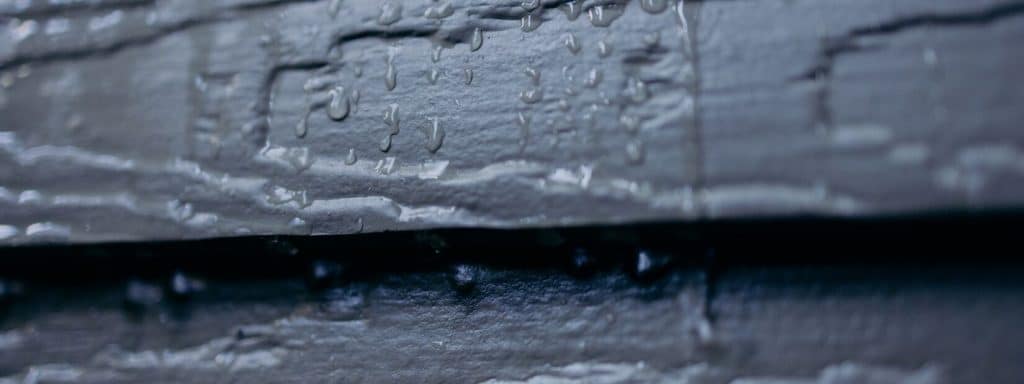
A small crack that appears harmless during mild weather becomes a gateway for moisture during the next rainstorm. When that moisture freezes during our cold winters, it expands and forces the crack wider. This cycle repeats dozens of times each year, turning tiny gaps into significant damage over just one or two seasons.
Wind and Weather Impact
- Wind-driven rain pushes water into cracks that would stay dry during calm conditions
- Snow accumulation keeps moisture in contact with vulnerable areas for extended periods
- Regional weather patterns mean exterior issues progresses faster here than in milder climates
Water Infiltration Creates Hidden Damage
The real danger from exterior cracks isn’t what you can see on the surface. It’s the water damage happening behind your siding and inside your walls that creates the most serious and expensive problems.
Once water gets behind your exterior materials, it saturates insulation, rots wood framing, and creates ideal conditions for mold growth. You might not notice these issues until water stains appear on interior walls or ceilings, by which point the problem has already spread significantly.
Hidden Problems Caused by Water Infiltration
- Rotted wall studs and structural framing
- Compromised insulation that loses effectiveness
- Mold growth that affects indoor air quality
- Deteriorated sheathing that requires extensive replacement
Fixing these hidden issues costs far more than addressing the original gap would have. A simple siding repair that might cost a few hundred dollars can escalate into thousands of dollars in structural repairs when water damage goes undetected.
Energy Efficiency Takes a Hit
Small gaps and cracks in your home’s exterior don’t just let water in. They also let conditioned air out, forcing your heating and cooling systems to work harder year-round.
Winter Heat Loss
During Minnesota and Wisconsin winters, warm air escapes through these openings while cold air infiltrates your home. Your furnace runs more frequently, and your energy bills climb.
Summer Cooling Costs
In summer, cool air leaks out while hot, humid air seeps in. Even a network of small cracks throughout your siding can increase heating and cooling costs by 10-20%. Over months and years, those higher utility bills add up to significant money that could have been saved by addressing the openings early.
Pest Entry Points Develop
Gaps in your home’s exterior serve as convenient entry points for insects, rodents, and other pests looking for shelter. What starts as a crack too small to concern you can provide all the access carpenter ants, mice, or wasps need to establish themselves in your walls.
Carpenter ants cause additional wood deterioration as they excavate galleries for their colonies. Mice chew through insulation and wiring, creating fire hazards. Wasps build nests in wall cavities that can grow quite large before you discover them.
Addressing pest infestations adds another layer of expense and disruption beyond the cost of repairing the original exterior problem.
Property Value Suffers
When you eventually sell your home, visible exterior damage affects buyer perception and property value. Home inspectors flag gaps and deterioration in their reports, giving buyers leverage to negotiate lower prices or request repairs before closing.
Even if it hasn’t yet caused serious structural issues, the presence of cracks signals potential problems to prospective buyers. Many will simply move on to other properties rather than take on a home with obvious maintenance needs.
Maintaining your home’s exterior through prompt repairs preserves your property value and makes your home more attractive to buyers when the time comes to sell.
Structural Integrity at Risk
In severe cases, water damage from exterior cracks can compromise your home’s structural integrity. Rotted framing members lose their load-bearing capacity. Deteriorated sheathing fails to properly support siding and roofing materials.
Foundation damage can develop when water from exterior leaks pools around your home’s perimeter. The freeze-thaw cycle affects foundation materials just as it does siding and trim, potentially creating gaps and shifting that threaten your home’s stability.
These structural issues represent the most expensive outcomes of neglected exterior cracks. Foundation repairs, structural reinforcement, and extensive framing replacement can cost tens of thousands of dollars.
Wisconsin and Minnesota Climate Considerations
Our regional climate makes exterior crack issues particularly urgent. The combination of temperature extremes, precipitation, and seasonal changes accelerates deterioration in ways that wouldn’t happen in more moderate climates.
Seasonal Challenges
- Spring brings rain and snowmelt that test every gap in your weather barrier
- Summer humidity exacerbates moisture problems in wall cavities
- Fall temperature swings start the freeze-thaw cycle early
- Winter’s harsh conditions push existing damage to new levels
Homeowners in Western Wisconsin and Minnesota need to be especially vigilant about addressing exterior cracks before our challenging weather makes them worse.
Taking Action Before Problems Escalate
Regular inspection of your home’s exterior helps you catch problems while they’re still minor issues. Walk around your property a few times each year, looking carefully at siding, trim, window frames, and door surrounds.
When you spot issues, having them evaluated and repaired quickly prevents the progression to more serious damage.
Don’t Let Small Issues Become Major Repairs
Your home deserves protection from the elements. Small exterior cracks might seem minor, but in our regional climate, they’re the beginning of problems that grow more serious with each passing season.
Since 1997, Krumm Exteriors has helped Western Wisconsin and Minnesota homeowners through quality siding, roofing, and exterior repairs. Our family-owned company understands how quickly exterior damage can escalate in our challenging climate.
Don’t let small cracks become big problems. Talk to our expert team about your exterior and get the solutions that keep your home safe for years to come.

