

Your siding is basically your home’s first line of defense against Wisconsin and Minnesota weather. It takes the hits, so the rest of your house doesn’t have to. Hail. Wind. Temperature swings. UV rays beating down year after year. Your siding is out there fighting the good fight every single day.
But here’s the thing: siding doesn’t last forever. And most homeowners don’t realize their siding is aging until something goes wrong. A leak appears. Energy bills spike. Bugs find their way inside. By then, you’ve already got a problem on your hands.
The truth is, catching the signs your siding is aging early means you can plan a replacement on your terms, not under emergency pressure. We’ve been helping Wisconsin and Minnesota homeowners with siding since 1997. And we’ve learned that knowing what to look for makes all the difference. So let’s walk through the signs that your siding is aging and what they actually mean for your home.
Fading, Discoloration, and That “Weathered” Look
One of the first signs your siding is aging is color fading. Your once-vibrant vinyl might look dull. That bright trim has turned chalky and gray. Maybe you’ve got dark streaks or patches that won’t wash off.
Here’s what’s happening: UV rays are breaking down the protective layer on your siding. Sun exposure literally fades the color over time. This isn’t just about looks (though curb appeal matters). Fading is a signal that the material itself is being compromised.
That discoloration you’re seeing? Sometimes it’s mold, mildew, or algae growth. These thrive in moisture and damage your siding from the outside in. Even if you power wash it away, the problem usually comes back because the underlying issue is moisture getting where it shouldn’t be.
What to do: If fading is your only issue and the siding is still structurally sound, you might be okay for a while longer. But if you’re seeing discoloration repeatedly, it’s worth having a professional take a look. It could just be cosmetic, or it could signal deeper moisture problems.
Cracks, Warping, and Physical Damage
Walk around your home and look at your siding up close. Are there cracks? Splits? Panels that look warped or bent?
Physical damage is the siding equivalent of a stop sign. Cracks let water behind the siding where it can rot wood, foster mold growth, and cause structural damage. Warping usually means moisture got in, and the material is reacting to it. Bent or dented panels might look minor, but they compromise the protective seal of your siding system.
Especially in Minnesota and Wisconsin, temperature swings cause expansion and contraction. Over years, this movement stresses siding. LP SmartSide, vinyl, steel, they all feel the effects.
Next steps: Small cracks in vinyl or steel can sometimes be patched temporarily. But if you’re seeing significant cracking or warping, replacement is probably on the horizon. A professional contractor can assess whether you’re looking at a few panels or a full replacement.
Soft Spots, Rot, and Water Damage
This is the red alert signal. Run your hand along your siding. Does any spot feel soft or spongy? Can you push your fingernail into the material? Does it feel like the siding is deteriorating?
Soft spots mean water has penetrated the siding and is rotting the wood or material underneath. This happens with LP SmartSide and other engineered wood products if moisture gets in. It can happen with vinyl if water gets behind the panels and sits there. Once rot starts, it spreads. Fast.
If you’re seeing water stains on your interior walls, noticing a musty smell in your home, or finding wet insulation in your walls, your siding has already let water in. That’s an emergency. Structural damage is probably happening right now.
Recommended action: Get a professional out immediately. Water damage doesn’t wait, and neither should you. The cost of replacing damaged siding is way less than the cost of dealing with structural rot, mold remediation, and interior damage. Trust us on this one.
Increased Energy Bills and Air Leaks
Your siding isn’t just about looks. It’s also your home’s thermal envelope. Aging siding loses its ability to keep conditioned air in and outside temperatures out.
Notice your heating or cooling bills creeping up for no obvious reason? Feel drafts along your walls even when everything seems sealed? These are signs your siding is aging and losing its insulation value.
Over time, siding settles, seams loosen, and connections to your house shift. Wind can get underneath panels. Heat escapes in winter. Cool air escapes in summer. You’re literally paying to heat or cool the outdoors.
If you’re seeing this: Have someone check your siding connections and seals. Sometimes caulking and weatherproofing can help. But if your siding is old and deteriorated, replacement with modern materials (especially seamless steel siding) will pay for itself in energy savings over time.
Pest Damage, Gaps, and Separation
Bugs love gaps in siding. Mice love gaps in siding. Once siding starts aging, warping, and separating from your home, you’re basically rolling out a welcome mat for pests.
Look for gaps between panels. Check where siding meets your roof, foundation, and trim. Are there cracks where insects or rodents could squeeze through?
Gaps also mean water can get in. And where there’s moisture, there’s mold and wood rot. So pest damage isn’t just annoying, it’s a gateway to bigger problems.
What to do next: Small gaps can be sealed with caulk as a temporary fix. But if you’re seeing significant separation or repeated pest problems, your siding is telling you it’s time for replacement.
The Age Factor
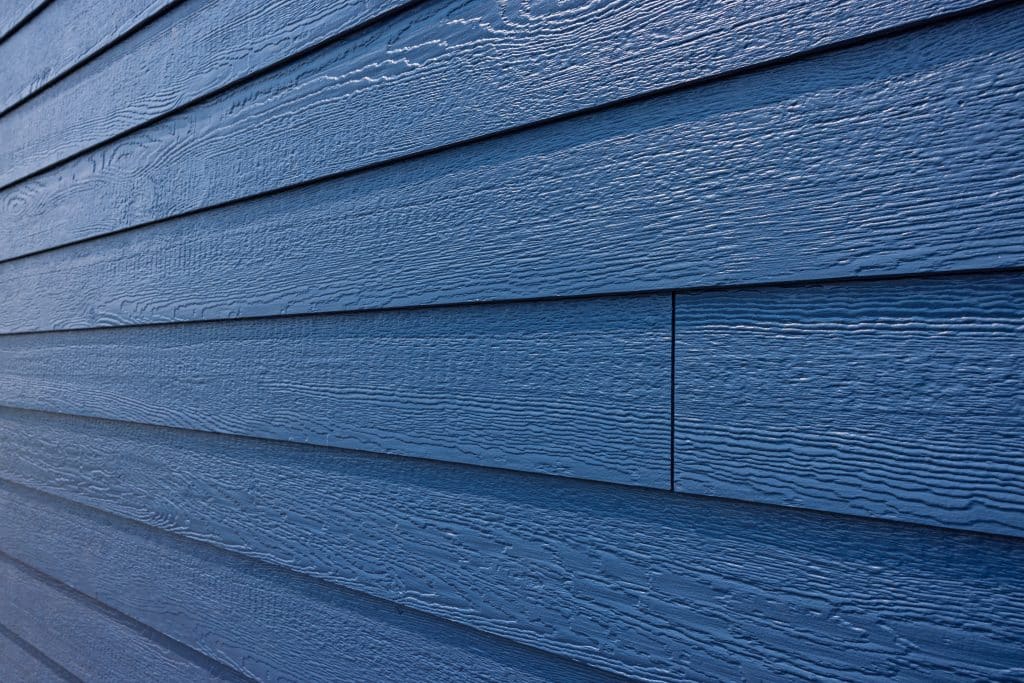
Here’s a simple truth: siding has a lifespan. Vinyl typically lasts 20 to 40 years. Steel can last 40 to 50 years or longer. LP SmartSide usually lasts 25 to 35 years. Wood siding might last 20 to 40 years, depending on maintenance.
If your home is 30 years old and has the original vinyl siding, it’s probably aging. Even if you don’t see major problems yet, replacement is coming. Better to plan for it than be surprised.
Your next move: Know when your siding was installed. If you don’t know, ask previous owners or check your paperwork. If it’s getting close to or past its expected lifespan, start planning for replacement.
What Aging Siding Costs You
Here’s what we know from 27 years of experience: catching signs your siding is aging early saves money. A lot of it.
Ignoring aging siding leads to water damage. This leads to rot, mold, structural issues, and interior problems. Suddenly, an affordable siding replacement becomes a $40,000 remediation project. It’s not worth the risk.
Modern siding materials from top manufacturers are built better than ever. Steel siding can last decades. Replacing aging siding with quality materials protects your biggest investment and increases your home’s value.
Let’s Evaluate Your Siding
If you’re noticing any of the signs your siding is aging, it’s time to talk to someone who actually knows what they’re looking at. We specialize in all types of exterior cladding and can assess whether you need repairs, maintenance, or a complete replacement.
As a US Seamless Franchisee, we work with the highest quality siding materials available. Whether you need vinyl, seamless steel siding, or LP SmartSide, we’ll help you choose the right solution for your Wisconsin or Minnesota home.
Don’t wait for water damage or pest problems to force your hand. Schedule a siding consultation with our expert team or call us today. We’ll give you a straight answer about what your siding needs and what makes sense for your home. Because when it comes to protecting your property, there’s no time like the present.

