

Your home’s exterior is a battle with the elements 365 days a year. Rain, snow, wind, ice, they’re all trying to find their way inside. And your roof, siding, gutters, and foundation? They’re the only things standing between chaos and a flood in your basement.
Here’s what most homeowners don’t realize: a simple home exterior inspection checklist for every season is the difference between catching a $500 problem and facing a $15,000 disaster. Seriously. We’ve seen it happen dozens of times. A small leak ignored throughout the winter can lead to structural damage. A missed gutter cleaning turns into an ice dam nightmare. These aren’t worst-case scenarios. They’re Tuesday for us.
Since 1997, we’ve been helping Wisconsin and Minnesota homeowners stay ahead of the weather. And the pattern is always the same: people who do seasonal inspections sleep soundly. People who skip them end up in our office looking shell-shocked and out of options.
You don’t need to be a contractor to do a home exterior inspection checklist. Read on to learn what you need to look for, when to look, and when it’s time to call someone who actually knows what they’re doing.
Spring: The Wake-Up Call for Winter Damage
Spring is nature’s reset button, but it’s also when you discover what winter actually did to your home. This is the perfect time to get outside with your home exterior inspection checklist.
Spring exterior inspection checklist:
- Walk around your home and inspect the shingles for any that are missing, cracked, or curling. Winter ice and temperature swings are rough on roofs.
- Check your gutters for debris, rust, or separation from the fascia. If they’re pulling away, water isn’t draining where it should be.
- Look for water stains on siding or soffit. These are telltale signs that water got in somewhere it shouldn’t have.
- Inspect the foundation and basement for new cracks or water damage. Spring snowmelt puts serious pressure on drainage systems.
- Check caulking around windows and doors. Did winter crack it? If so, water will follow.
- Look for peeling paint or damaged exterior finishes—these protect your home from moisture and UV damage.
The spring inspection really matters because winter isn’t gentle. Ice dams, freeze-thaw cycles, and heavy snow weight so your exterior takes a beating. Catching damage now means you can repair it before summer storms arrive.
Summer: Storm Damage Assessment and Preventive Care
Summer means high winds, heavy rains, and the occasional hailstorm. Even if you don’t experience a major event, summer weather tests your home’s defenses regularly.
Summer exterior inspection checklist:
- After storms, do a visual walkthrough looking for obvious damage: missing shingles, dented gutters, broken siding, or debris damage.
- Check flashing around chimneys, vents, and skylights. Flashing is where leaks love to hide.
- Inspect wood siding, trim, and railings for rot or soft spots. Press gently with a screwdriver; soft wood needs attention.
- Look at your attic after heavy rains. Any new water stains? Any dampness? These signal roof or flashing issues.
- Check the grading around your foundation. Does water drain away, or does it pool near the house? Poor drainage causes foundation problems.
- Examine any visible wood or composite materials for mold, mildew, or discoloration.
Here’s the thing about summer: problems that look minor now can become major by winter. A small roof leak? It’ll turn into rot and structural damage if ignored through the cold season.
Fall: The Critical Prep Season
Fall is when your home exterior inspection checklist becomes your best friend. You’re preparing for the most brutal season, and this is your last chance to catch problems before temperatures drop.
Your Fall exterior inspection checklist:
- Clear gutters completely. This isn’t optional—clogged gutters lead to ice dams, which lead to interior water damage. Not fun.
- Inspect downspouts to make sure water is flowing away from your foundation (at least 4-6 feet out).
- Check all weatherstripping and caulking. Fall is the time to seal air leaks before heating season begins.
- Look at your siding for cracks, gaps, or separation. Fall inspections catch what summer missed.
- Inspect the roof up close (safely from the ground or a ladder). Look for missing shingles, granule loss, or signs of wear.
- Check chimneys and vents for nests, debris, or damage. You don’t want critters or water finding their way inside.
- Trim back tree branches that hang over your roof. Heavy snow will load onto those branches come winter.
Why fall matters so much: winter problems are expensive and dangerous. A water leak in January isn’t just an inconvenience; it’s structural damage happening in real-time.
Winter: Ongoing Monitoring and Damage Prevention
This part of the year isn’t the time for a thorough inspection (ice is slippery, after all), but it’s essential to monitor your home for any active issues.
Winter exterior inspection checklist:
- Check for ice dams forming at the roof edge. If you see them, you have water backup issues.
- Look for icicles hanging from gutters or eaves. While they look cool, they signal water flow problems.
- Monitor your attic for new water stains or dampness after snow or rain events.
- Check basement and crawl spaces for water intrusion or dampness.
- Inspect visible siding and trim for ice damage or cracking.
- After heavy snow, check that your gutters aren’t bent under the weight.
In winter, vigilance matters because problems don’t stop just because temperatures drop. Active monitoring means you can call for help before something becomes a real emergency.
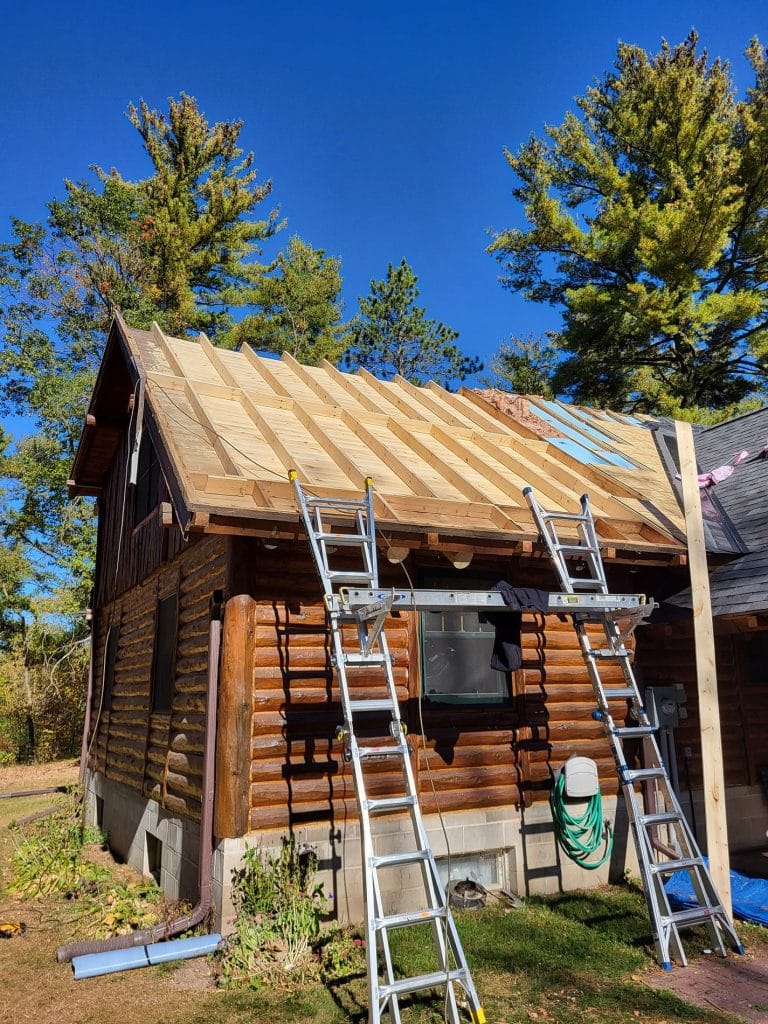
Your Home Exterior Inspection Checklist: Quick Reference
Not sure where to start? Here’s your quick reference:
Spring: Foundation, gutters, roof, caulking, water damage signs
Summer: Storm damage, flashing, wood rot, grading, mold
Fall: Gutters (seriously), weatherstripping, siding, chimney, tree branches
Winter: Ice dams, icicles, attic moisture, basement water, snow load
When to Call the Professionals
Here’s the truth: doing seasonal inspections yourself is great. But some things need expert eyes. If your home exterior inspection checklist reveals any of these issues, it’s time to call someone you trust:
- Roof damage that’s extensive or hard to assess safely
- Foundation cracks or water intrusion
- Rotting wood or structural issues
- Gutter problems you can’t safely address
- Flashing or chimney issues
- Signs of major water damage or mold
Let’s Find Out What Your Home Needs
Your home exterior inspection checklist is a great starting point, but nothing beats having an expert walk your property with you. We can spot problems you might miss, explain what matters and what doesn’t, and help you make smart decisions about your home’s future.
Contact Krumm Construction today to schedule a professional exterior inspection, or fill out our contact form to arrange a time that suits you. We’re here to help you protect your biggest investment.

